

About Kirkenes
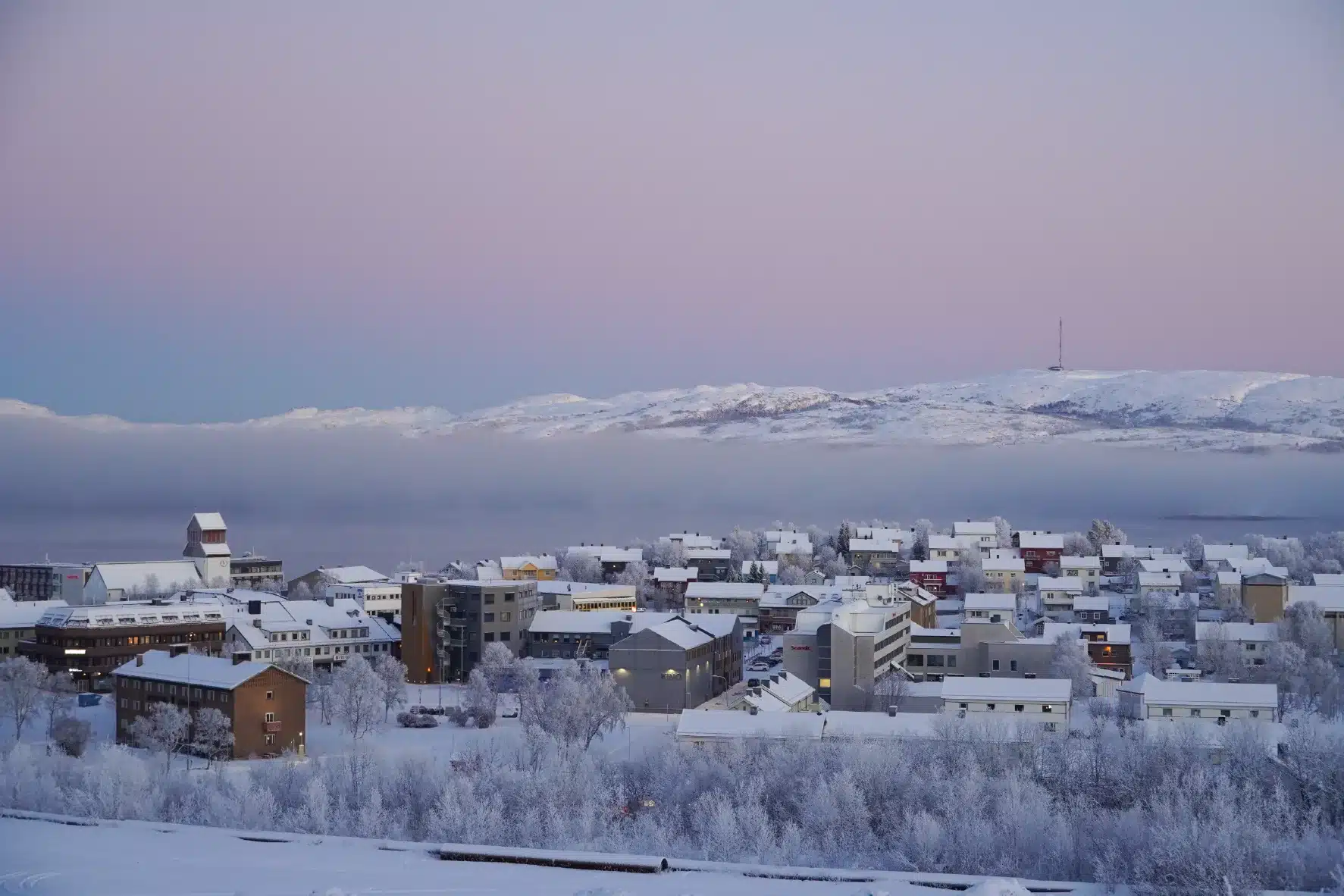
Kirkenes sits about 400 kilometres above the Arctic Circle, in the far northeast of Norway, right on the border with Russia and a short drive from Finland. It’s quieter and less visited than Tromsø or Lofoten, shaped by the meeting of three countries in one place.
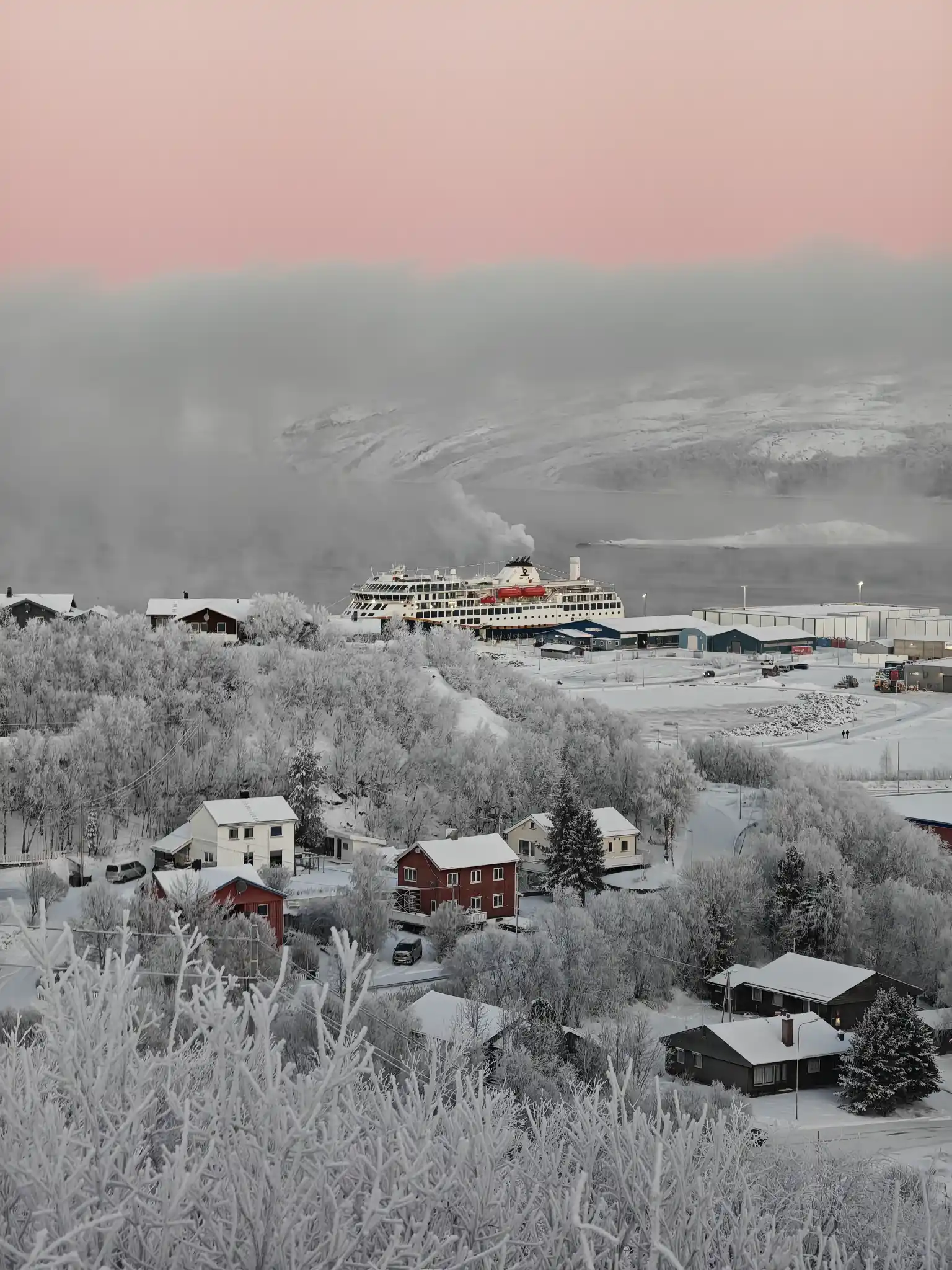
Kirkenes is the turning point of the Hurtigruten and Havila coastal ships, which connect Bergen to the far north — the ship docks around 9:00 and departs at 12:30, giving you a few hours ashore. We run tours built around that window: Hurtigruten & Havila excursions in summer and autumn or winter.
Read the full story of the town, its borderland history, and its nature on our About Kirkenes page.
How to get to Kirkenes?
Despite its remote location, Kirkenes is surprisingly easy to reach with good connections by sea, air, and road.
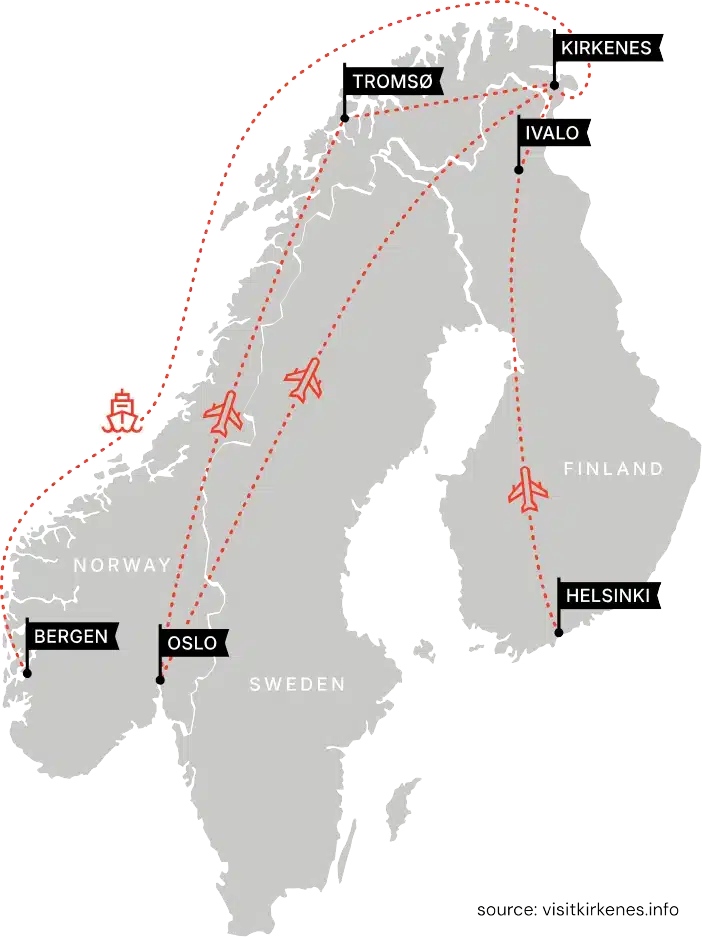
By coastal cruise (Hurtigruten and Havila)
Kirkenes is the northern turning point of the Hurtigruten and Havila coastal voyages. If you are arriving by cruise ship, morning tours between 09:00 and 12:00 fit well with the departure schedule at 12:30. We can help coordinate timing and offer pickup directly from the harbour.
By plane
You can fly to Kirkenes Airport (KKN) from Oslo in around 2 hours, with daily departures. There are also convenient connections via Tromsø or Alta, usually with short layovers. Airlines include SAS, Norwegian, and Widerøe. Since summer 2025, Finnair also offer flights from Helsinki via Ivalo (IVL) to Kirkenes.
By car
Kirkenes is connected by road via the E6 highway from Alta or Nordkapp, as well as routes through Finland via Ivalo or Rovaniemi. Roads are well maintained year-round, but winter driving requires proper preparation and winter tires.
Via Finland
Many travellers choose to enter Kirkenes via Finland. You can fly to Ivalo or Rovaniemi and continue by rental car or bus. There are regular bus connections from Finland to Kirkenes operated by Matkahuolto:
https://www.matkahuolto.fi/passengers
The bus takes around 4 hours from Ivalo and about 10 hours from Rovaniemi. Both towns have good flight connections to major European cities, making this a flexible and popular route. You can also book direct transport from Saariselkä to Kirkenes, which is a convenient option for cross-border travel.
Important: When crossing the border between Finland and Norway, be aware of customs regulations. Norway has strict limits on how much cash you can bring into the country. If you carry large amounts, you must declare it in advance. Not doing so can lead to delays or fines at the border.
Weather and best time to visit Kirkenes
Kirkenes has a unique inland Arctic climate, with cold, stable winters and relatively warm summers. Thanks to its position between coastal and continental weather systems, conditions can vary noticeably, sometimes even by 10°C between town and nearby areas like Pasvik. In winter (November to March), temperatures can range from around 0°C down to -35°C, with an average of about -10°C. The cold may sound extreme, but with dry air and proper clothing, it is usually very manageable. In summer, temperatures are milder, often reaching between 8°C and 20°C. For the most reliable weather forecast, we recommend using Yr.
Weather by season
- Winter (November–April): -5°C to -35°C Snow-covered landscapes, Northern Lights, and ideal conditions for winter activities
- Spring (May): Spring in Kirkenes is from April to May, following the end of the main winter season in mid-April. Average monthly temperatures rise up to 6°C by May.
- Summer (June–August): 8°C to 20°C Long days, dry air, great for hiking and paddling.
- Autumn (Mid August–October): 0°C to 10°C Colorful landscapes and first Northern Lights
Best time to visit
- For Midnight Sun: late May – late July
- For Hiking: May to November
- For Berry picking: Late July through September
- For Mushroom foraging: August through October
- For Northern Lights: Late August – early April
- For Winter activities: Mid November – April
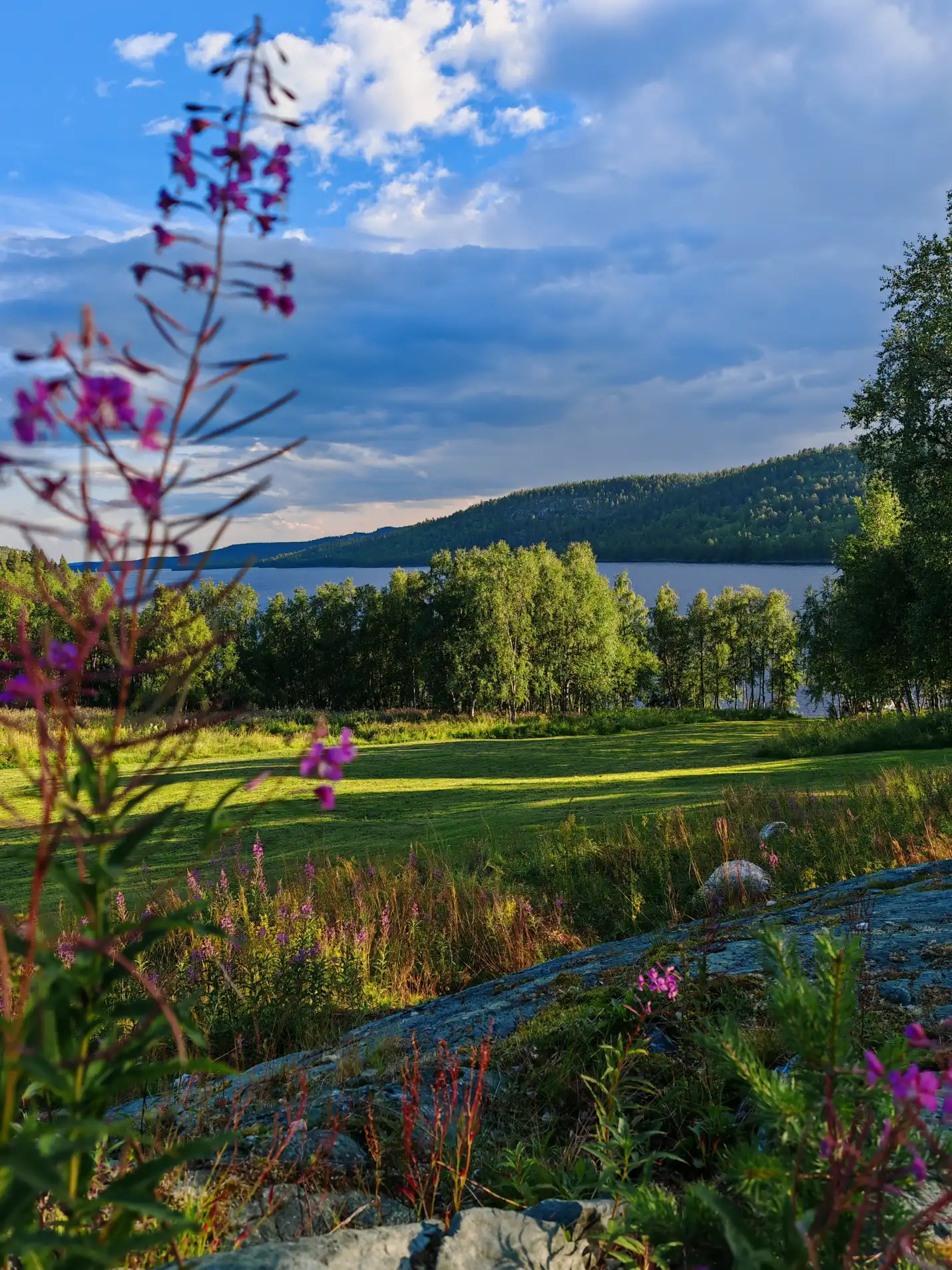
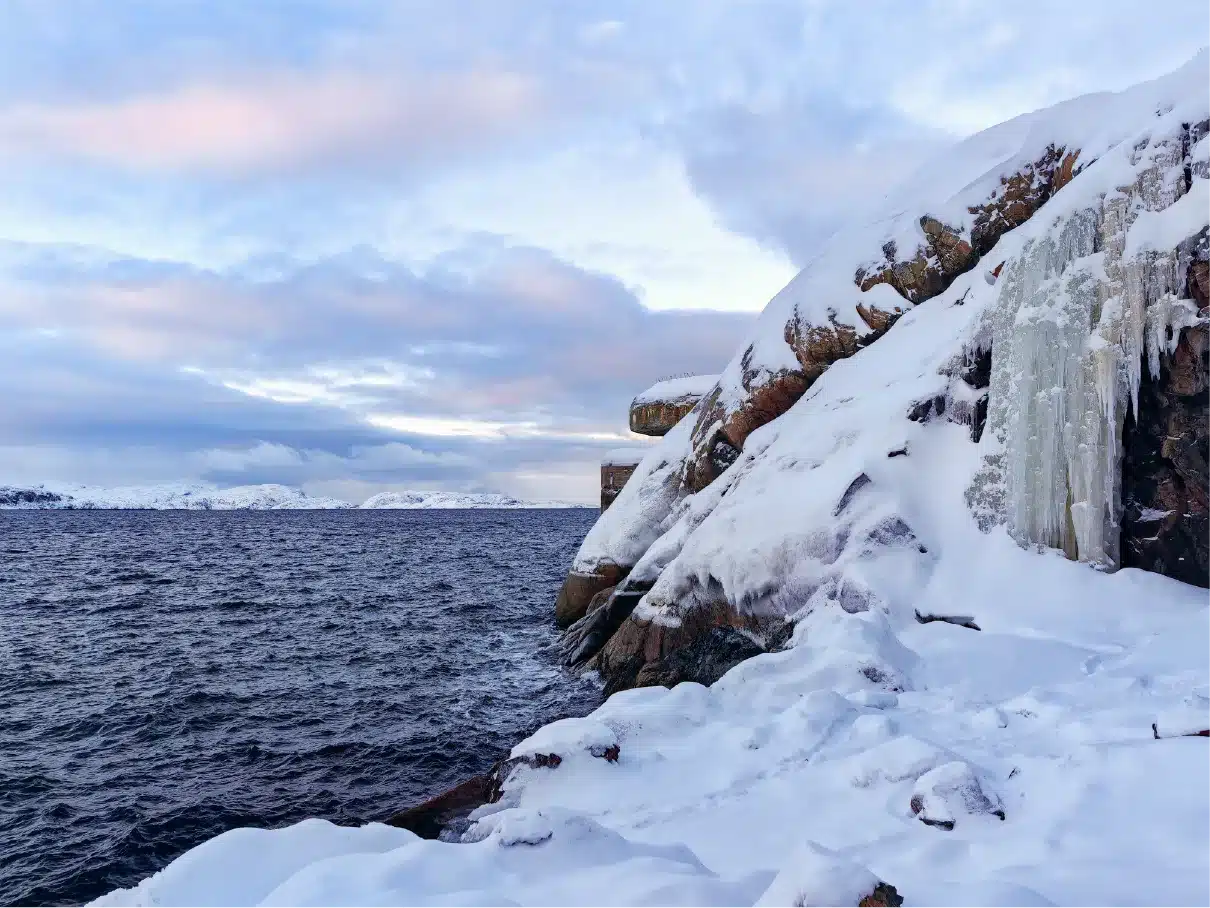
Northern Lights & Midnight Sun
Can you see the Northern Lights in Kirkenes?
Yes. Located at 69°N, Kirkenes lies within the Auroral Zone, which makes it one of the best regions in the world to see the Northern Lights (its position is almost identical to that of Tromsø, a popular destinations for aurora hunting). Thanks to its inland location, skies are often clearer than in coastal areas, and light pollution is minimal. You can find an overview of our Northern Lights tours here.
What is the best time to see the Northern Lights?
The Northern Lights are visible from late August to early April. The best chances are typically between September and March, when nights are long and dark.
When is the midnight sun?
The midnight sun occurs from late May to late July, when the sun stays above the horizon 24 hours a day. It is the summer equivalent of the Northern Lights in winter, one of the defining Arctic phenomena that makes this region unique. You can find an overview of our Midnight Sun tours here.
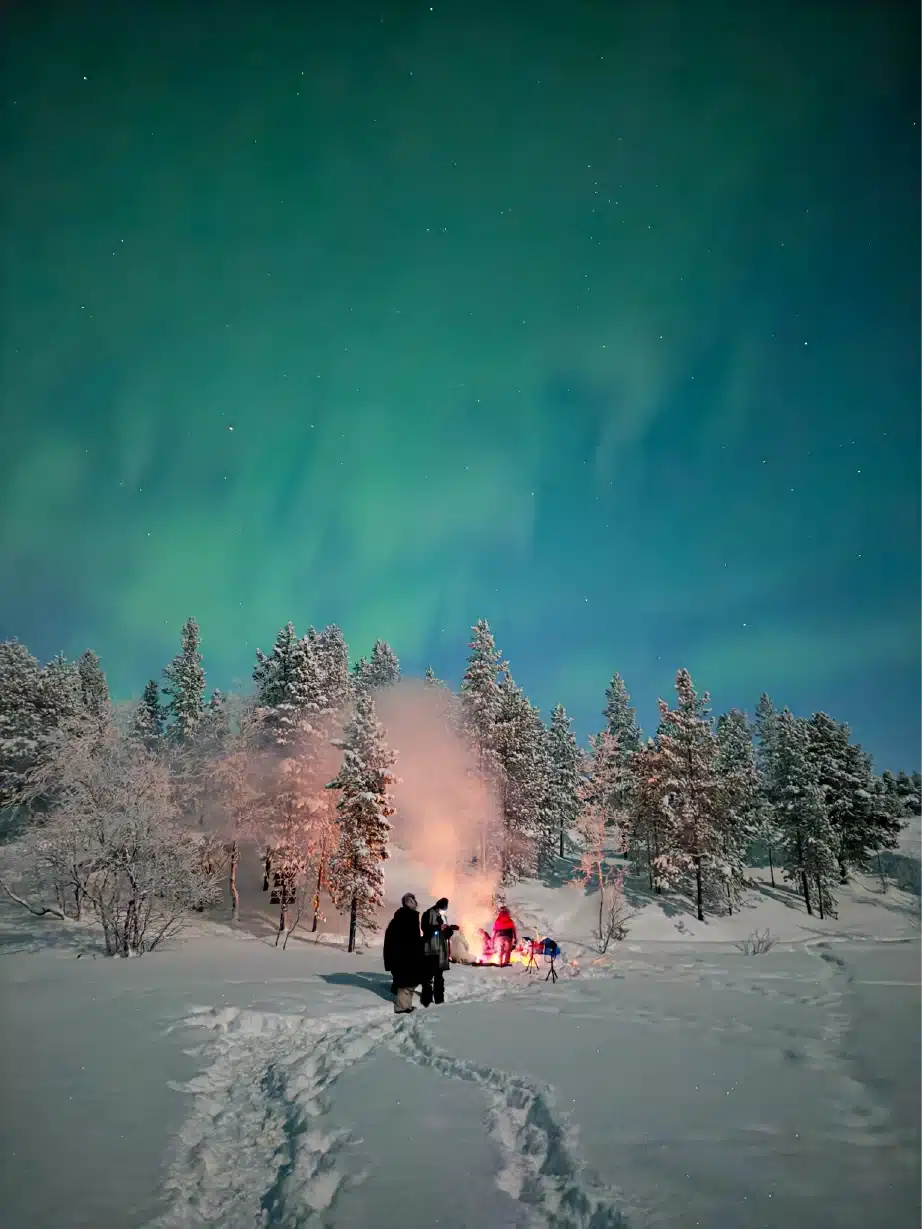
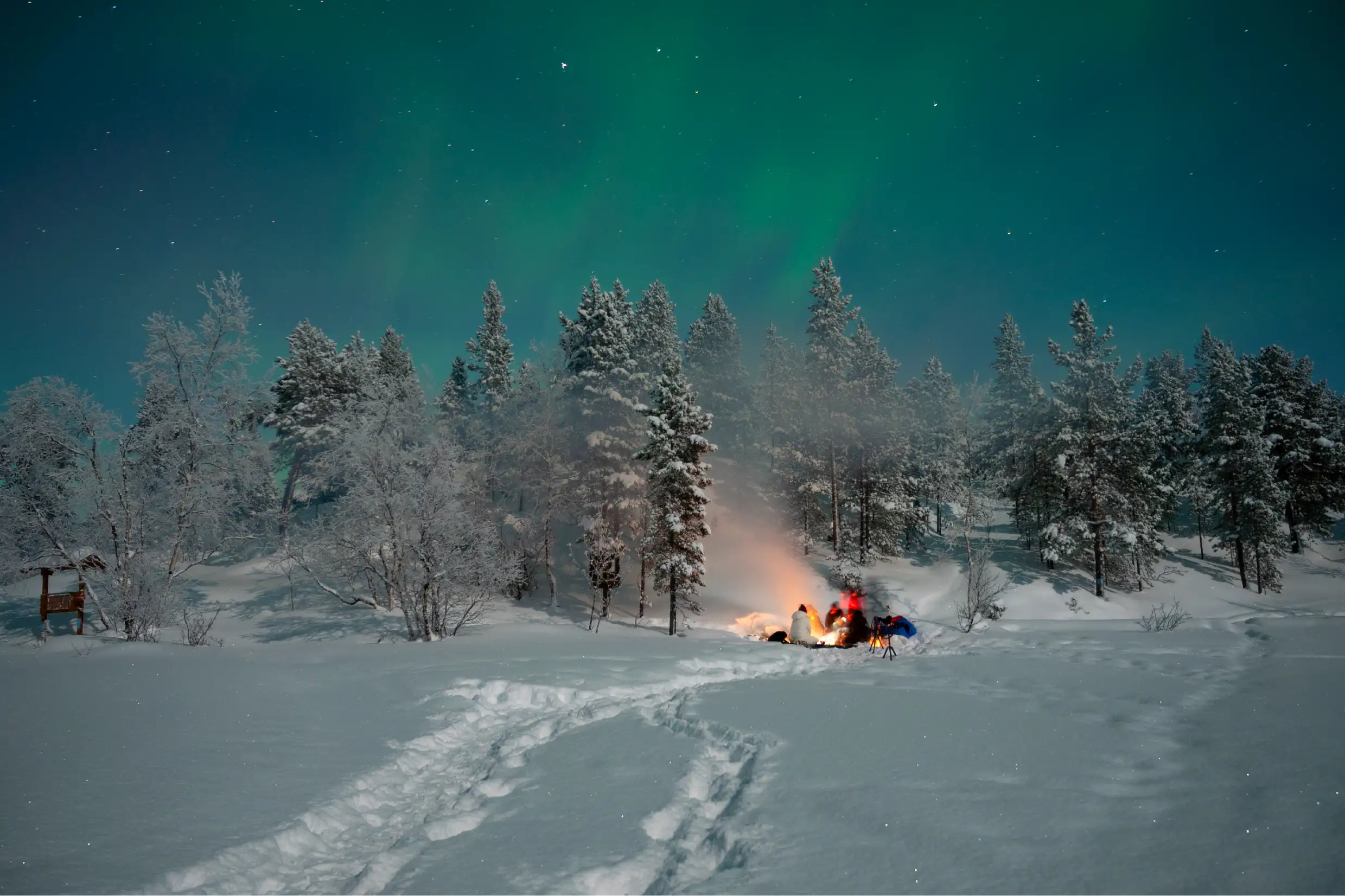
What to pack and wear
What to wear in winter
Layering is key to enjoying the Arctic winter. Temperatures in Kirkenes can drop well below -20°C, but with the right layers, you will stay warm and comfortable throughout your experience. For some winter tours, we provide additional gear such as thermal suits, boots, and mittens (details can be found on each tour page). For your trip to Northern Norway, we recommend the following:
- Long merino underwear as base layer (Merino can be quite expensive in countries like Australia and elsewhere. In Kirkenes, you can buy a basic set in local outdoor shops starting from around 600 NOK.)
- Insulating mid-layer (for example a woolen sweater)
- Windproof jacket
- Warm outer layer
- Woolen hat, gloves and/or mittens, merino neckwarmer
- Woolen socks
- Warm winter boots
What to bring in summer
- Ankle-high, waterproof hiking shoes
- Light layers for changing weather
- Windproof jacket
- Sunscreen
- Mosquito spray
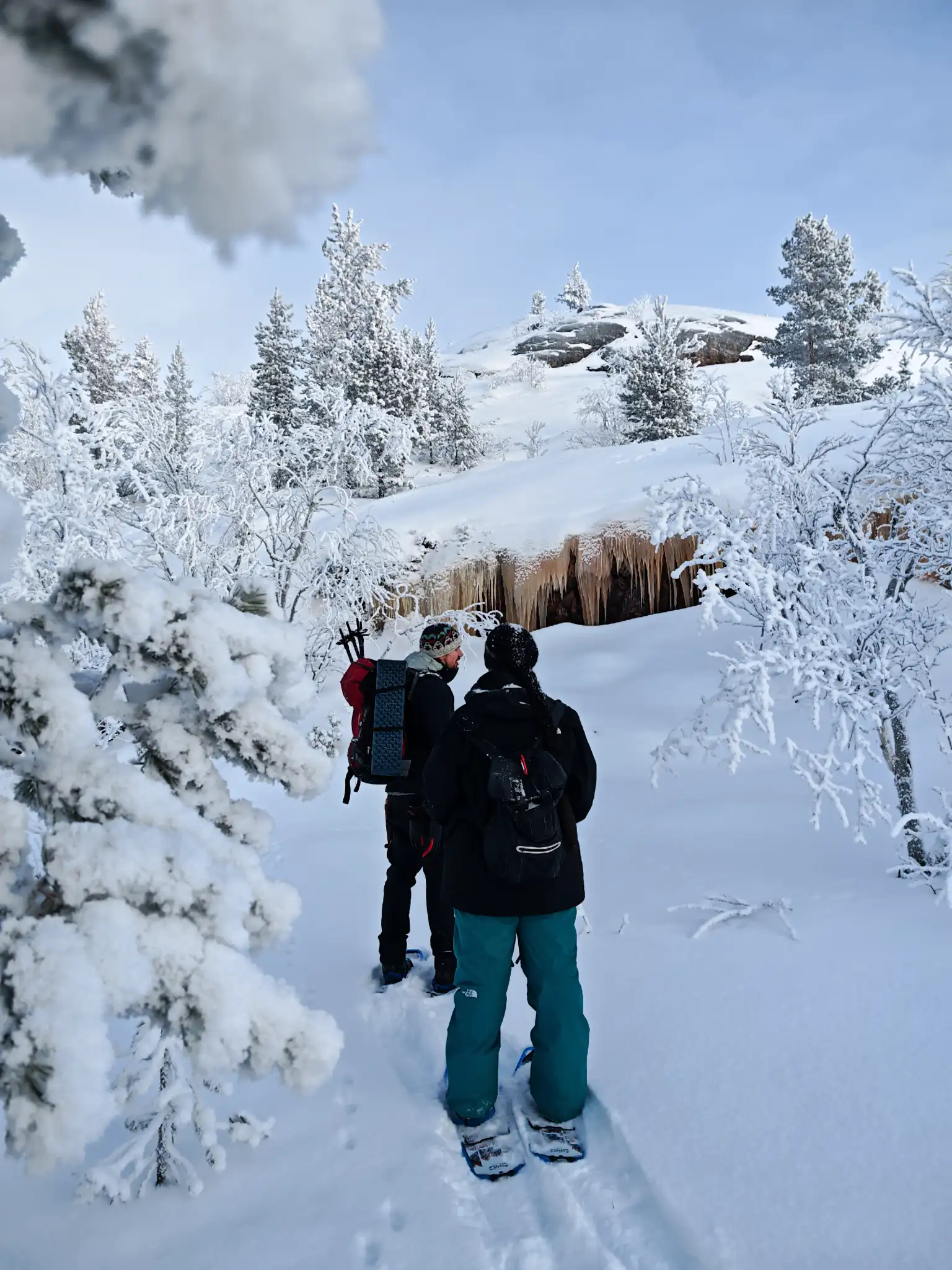
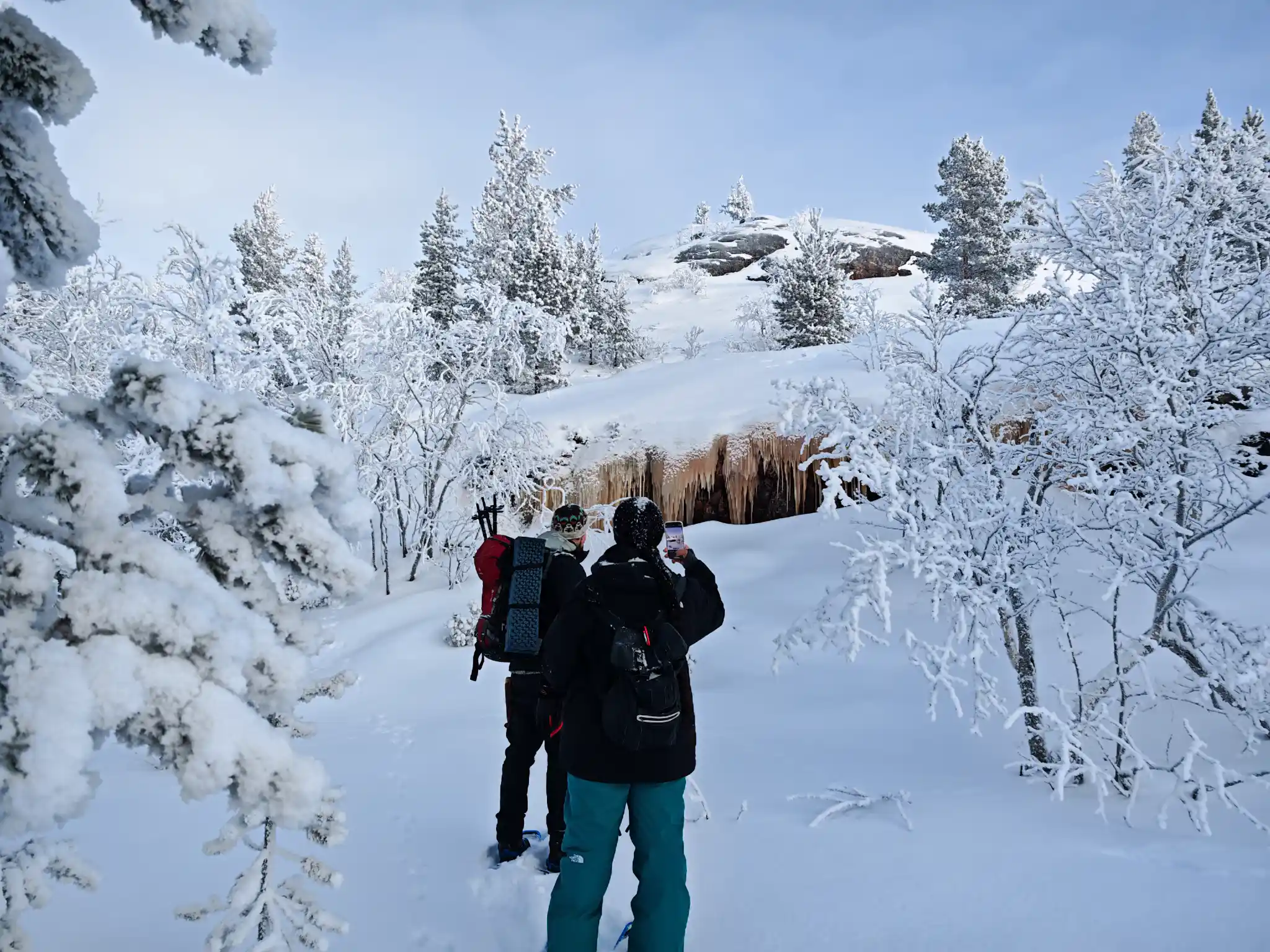
Frequently Asked Questions
Here you’ll find answers to common questions about planning your trip to Kirkenes, joining our tours, and preparing for Arctic conditions.
Booking & Tours
Can I book a private tour?
How many people are on a tour?
All of our tours run in small groups, with a maximum of 7 guests. Most groups are smaller than that. If you’d prefer a private tour just for your own group, that’s available on request — see “Can I book a private tour?” above.
Can you help me plan my stay and book activities in Kirkenes?
Yes, we are happy to help you plan a customised itinerary in Kirkenes. Just let us know your interests, travel dates, and schedule, and we will suggest suitable tours and experiences. We can also book activities with other trusted providers in town on your behalf, at no additional cost.
What language are the tours in?
Our tours are guided in English and German. Other languages may be available on request.
Is it safe to visit the area near the Russian border?
Yes. Storskog is Norway’s official, staffed border crossing with Russia, and all of our border tours (including the Spy Games in the Arctic, Russian Border Hike and the Russian Border Snowshoe Hike) stay entirely on the Norwegian side. We brief you on how to behave and which rules to follow on every tour. If you’re exploring the border area on your own and you’re unsure of the rules, we’d recommend booking a tour instead — a guide keeps you within what’s allowed and can answer questions as they come up. The border area is a well-established part of local tourism, not a restricted military zone.
Are the tours suitable for children?
Yes, many tours are family-friendly. For tours that we operate ourselves, we are happy to adapt the experience to your needs and preferences. Our Reindeer Experience is especially popular with families and younger children.
Do I need travel insurance?
We highly recommend it, though it isn’t required to join a tour. Given the range of outdoor activities we offer — including winter activities like snowmobiling, dog sledding, and skiing — we suggest travel insurance that covers cancellations and outdoor/winter activities specifically, since standard travel insurance doesn’t always include this.
Weather & Season
Do I get a refund if we don’t see the Northern Lights?
No, the Northern Lights are a natural phenomenon and sightings cannot be guaranteed. We monitor real-time weather and aurora forecasts and choose the best possible direction each evening to maximise your chances.
What happens if the weather is bad?
We adapt routes and plans when needed. If a tour must be canceled for safety reasons, you will receive a full refund or the option to reschedule.
How cold does it get in winter?
Temperatures can drop to -35°C in January, but average winter temperatures are around -10°C. We provide proper gear and expert tips to keep you comfortable.
When is the main winter season in Kirkenes?
The timing of winter activities can vary slightly depending on weather conditions, but the main winter season typically runs from early December to mid-April (01.12 – 20.04). During this period, you can expect stable snow conditions and a wide range of winter experiences such as snowshoeing, skiing, e-fatbiking, husky tours and Northern Lights tours. The exact availability for each activity can be found on the individual tour pages.
Gear & Preparation
Do I need to bring my own gear?
No. We provide all necessary equipment. You only need to bring appropriate clothing. Please check the tour info for details or ask us if you’re unsure.
Pickup & Logistics
Do you offer pickup from the Snow Resort?
Yes, we can arrange pick-up from the Snow Resort for our tours. Pick-up and drop-off costs 200 NOK per person. For some tours, this service is already included. Feel free to contact us to discuss your itinerary and options.
Do you offer pickup from the Hurtigruten or Havila pier in Kirkenes?
Yes, we offer pickup and drop-off from the Kirkenes harbour at no additional cost for of our tours. Many of our morning tours starting at 09:00 are designed to fit the cruise ship schedule, with return to the pier in time for departure. Popular options to make the most of your morning visit in Kirkenes include our Spy Games in the Arctic tour (year-round), the Russian Border Snowshoe Hike in winter and the Russian Border Hike in summer and autumn, and our electric fatbike tours. Feel free to reach out and share your travel plans. We are happy to help you choose the best option for your schedule.
Local & Practical
Where can I eat in Kirkenes?
Kirkenes is a small town, and most restaurants are in the centre, within walking distance of each other. Places to eat in Kirkenes include:
- Surf and Turf
- Aurora Restobar
- Shanghai
- The hotel restaurants at Thon Hotel Kirkenes and Scandic Kirkenes
- Dinner at the Snow Resort, just outside town
If you’re looking for places to eat in Kirkenes beyond the restaurants in town, our food experiences are an alternative in winter:
- King Crab Rolls, Northern Lights & Sled Ride: freshly made king crab rolls by the campfire at our cabin in the Pasvik Valley. It’s a taste of king crab and not a full meal.
- Private Arctic Dinner Experience: 3-Course Menu with King Crab Pizza: you spend the same hours you would in a restaurant, but with a sled ride, a private table at a cabin in the Pasvik Valley and a dark sky above you.
Where can I eat in Kirkenes on Sundays?
Kirkenes is a small town, and restaurant options on Sundays are limited. It is a good idea to plan ahead, especially if you are staying in an Airbnb rathern than a hotel. Breakfast and lunch can be particularly tricky, as most places do not open until later in the day.
Restaurants open on Sundays (subject to change):
- Borderland Museum café – Waffles, chocolates, muffins, crip bread and coffee, available from 09:00 until around 15:00
- Surf & Turf – from 14:00 (Local dishes such as cod tongue salad or whale steak)
- Ritz – from 14:00
- Bangkok Restaurant Kirkenes – from 15:00
- Scandic Restaurant – 17:00 to 22:00
- Thon Hotel Restaurant – 17:00 to 22:00
Tip from us: If you join one of our Arctic Sauna Experiences, you do not need to worry about lunch. On both the Arctic Sauna Experience (winter) and the Arctic Forest Sauna (summer), we include a simple outdoor meal with reindeer hot dogs prepared over the campfire, combined with time outdoors in a quiet natural setting.
Do I need cash in Kirkenes?
You generally do not need cash in Kirkenes. In Norway, it is very common to pay by card almost everywhere, including restaurants, cafés, and shops. However, if you plan to visit the Norwegian–Russian border crossing at Storskog, there is a small gift shop where the owner only accepts cash (NOK, EUR, or USD).